



Correct Peptide Reconstitution
Peptide reconstitution is the process of mixing a lyophilized peptide with a liquid solvent to create a usable solution for infection. Most peptides are supplied as lyophilized (that is, freeze-dried powder). It improves stability of amino acid chain structure during storage and transport of vials. To use them, you must "reconstitute" them. Here are brief clinical reconstitution guidelines for tirzepatide, semaglutide, or any other therapeutics.
Choose the right solvent.
Choose bacteriostatic water for multi-dose vials, as its 0.9% benzyl alcohol helps inhibit microbial growth. Use sterile water when no preservative is needed, or select 0.1% acetic acid, dilute HCl, or another suitable solvent based on the peptide's properties and intended use.
Solvent ratio
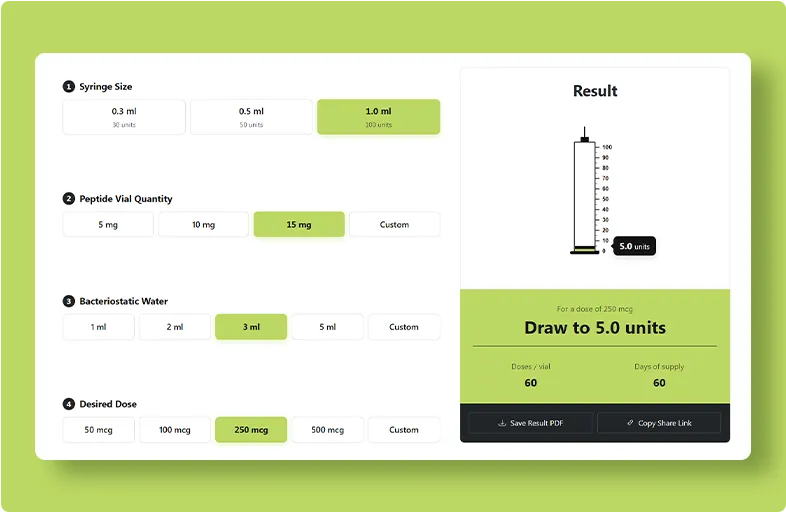
Adding little or more water results in high or low concentrations, respectively.
Less water = stronger concentration.
More water = easier measurement for smaller doses.
Remember to follow the manufacturer's instructions, as the process may vary depending on the peptide.
The Drip & Swirl: The Drip technique is to add the solvent slowly, dropwise, against the glass wall of the vial. Avoid spraying directly onto the lyophilized powder.
Gently Swirl: Do not shake or vortex. Shaking can cause foaming and degrade the delicate peptide chains.
Storage & Stability:
Lyophilized powders are short-term and stable at room temperature for several weeks. Store in the freezer at -20°C (-4°F). Once reconstituted, store at 2-8°C (36-46°F), and use within 28 days.
Avoid freeze-thaw cycles as they can cause damage to Peptide.
Peptides should maintain their potency and viability for lab experiments, so proper reconstitution and storage protocols are essential.